I retired over14 years ago, though I've continued to work on and off since then. Mostly I'm just cruising, making the most of what time I have remaining.
Although my time is nearly up, I still care deeply about the kind of world I'll be leaving to those who follow me and, to that end, I am devoted to seeing the forces of repression and authoritarianism are at least held at bay, if not crushed out of existence.
I write about things that interest me and, as an eclectic soul, my interests run the gamut from science to spirituality, governance to economics, art and engineering. I'm hopeful one day my children will read what I've left behind.
I’ve only been following this chart for a couple of years, but this is the first time all of the reservoirs shown in it have been above their historical average. A lot of them are also fairly close to their maximum capacity. It would be nice if this trend continues for a few years. I’m tired of drought conditions. We still conserve water; I hope everyone in California does. Actually, I hope everyone, everywhere is thoughtful about water usage.
In the 2020 General Election, coming up waaaaay sooner than you think, time being what it is, there are eight (count ’em, eight) Republican Senators who are up for election unopposed. Actually, two of the eight are retiring but, in all cases, whether it’s a replacement or the incumbent, they’re all running unopposed. This is an intolerable situation, IMO.
Allowing any Republican, all (save for Justin Amash) of whom have shown themselves to be hapless sycophants, bowing to the whims of the most destructive and inhumane President in modern history, to run without any Democratic opposition is something we should avoid at all costs.
Bill Cassidy, Louisiana (In 2014 he beat three-term incumbent, Democrat Mary Landrieu, 56 percent to 44 percent. Don’t know if there are any Democrats in the running at present.)
Mike Enzi, Wyoming (Retiring – This seat is considered safe by most people.)
Cindy Hyde-Smith, Mississippi (Hyde-Smith defeated Mike Espy last November in a racially charged campaign.)
James Inhofe, Oklahoma (This is the schmuck who brought a snowball into the Senate chambers to make the argument that global warming can’t be possible because it’s still cold somewhere.)
Pat Roberts, Kansas (Retiring – Maybe a lost cause, as he ran unopposed last time and Kansas is a deep red state)
Mike Rounds, South Dakota (The entire state has approximately a quarter of a million voters. Unknown if there are enough Democrats to matter.)
Ben Sasse, Nebraska (In the 2014 election, there were a little over a half million voters; Sasse won every county in the State – 64% to 31%)
Dan Sullivan, Alaska (In the 2014 election, Sullivan won by 2.2% with a total of only a little over a quarter million voters. This state could be ripe for a flip.)
After the 2016 General Election, I worked with a group of people who were creating a canvassing tool that was designed to use AI to better prepare people who were out knocking on doors. It would have used demographics and historical voting data to train a machine learning algorithm on the patterns to be found in the data. Unfortunately, our primary investor kept adding requirements and ultimately squeezed the value right out of the app.
Nevertheless, our original concept we had discussed was to use machine learning to help political organizations make the most effective (not merely efficient) use of their various resources, e.g. time, money, people, connections, as well as understanding the political environment based on polls and overall news coverage.
Frankly, nobody I know of has sat down and begun to develop such a decision model, though I would dearly love to see it happen. It’s what we envisioned after Trump “won” and I still think it’s a viable approach. It does look like it’s a somewhat daunting challenge, however, when it comes to how expensive it would be to gather all the data we’d need access to, as well as develop the algorithms that would analyze and correlate the data.
Regardless, it seems a shame so many Republicans might run without any Democratic opposition. You’d think the least we can do is make them fight for their seats, which would include forcing them to shift resources around as well. It should be part of the overall pattern of the elections, which I’m unconvinced the Democratic Party really understands.
My oldest is almost 18 and, as a result, one of the things we need to do is transfer ownership of several documents to her. This is turning out to be a bit more problematic than I had hoped. I can’t seem to find a couple of documents I thought I knew the location of. I have some serious searching to do or we need certified copies of a few things. I’ll have more to say about this but, while I was searching I found an old, fairly silly poem I wrote about 30 – 35 years ago and I thought I’d post it here so I can throw away the paper on which it’s written. So . . . here goes:
I can write a poem
I can pen some verse
I can make it florid
I can do it terse
I can be profane
I can wax profound
Or lay it on real thick
And sling it by the pound
I know. Makes no sense; means even less, but I wrote it and it’s my poem . . . and I’m stickin’ to it. So there!!
Based on a post from my friend, John Husband, I came across this great article by Vinay Gupta, which simply and (I think) quite elegantly lays out an understanding of an issue I have long sought to internalize . . . but which I’m loathe to claim I actually understand or can clearly articulate. Part of the reason I’m posting this is so I have access to the two simple explanations of the framework. What follows is a bit of Gupta’s post, with a link at the end to the original.
I recently pestered my friend Noah Raford to summarize his understanding of Cynefin and complexity in a single page document. Noah called it the Strategic Complexity Framework.
I, being still a bit dyslexic, can never keep the “simple, complicated, complex, chaotic” thing from Dave Snowdon‘s Cynefin framework straight in my head. And I think about complexity as having three domains (but that’s another story.)
So I’ve taken advantage of open licensing to produce a version of Noah’s Strategic Complexity Framework, called the Strategic Complexity Framework… for Dummies.
A translation guide: Simple (= Simple): put stuff in boxes. Hard (= Complicated): build a rocket ship. Fickle (= Complex): weather, economy, farming. Borked (= Chaotic): war zones, collapses, volcanos.
There’s a ton of great work out there on the background to all of these models, but I have conveniently filed knobs off. Simple!
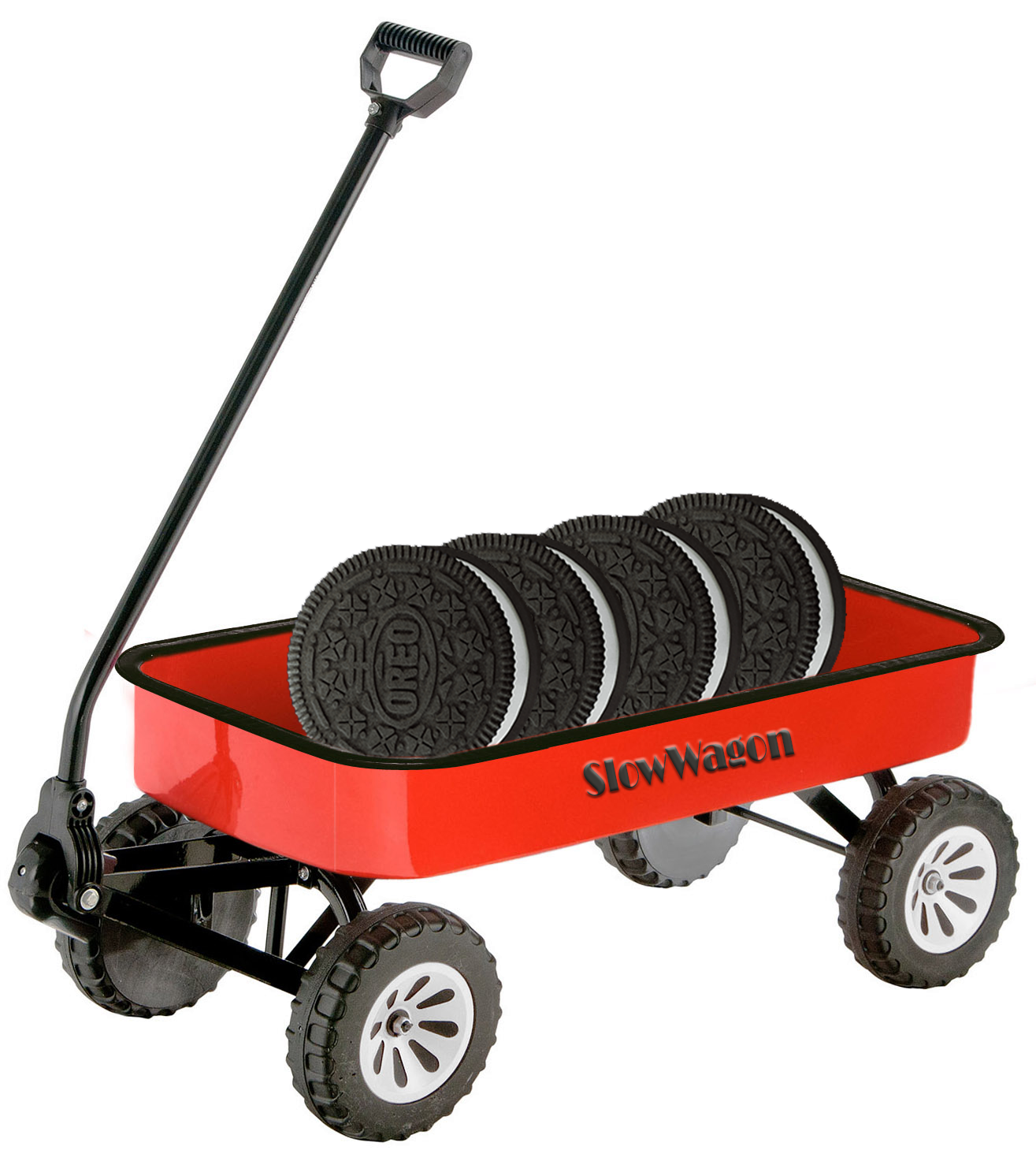
Not quite three weeks ago Ben Carson was being question by Katie Porter, a member of the House Financial Services Committee. For those who haven’t heard about it, or (assuming you’re reading this long after it happened) hadn’t heard about it, she asked him if he knew what REO stood for. It is a technical term that the Secretary of Housing and Urban Development should have known.
Instead, Secretary (or is it Buffoon?) Carson thought she was asking him about Oreo cookies. Hilarity ensued, especially on Twitter. My response was to take to Photoshop for a moment and whip together what went through my mind when I heard of this.
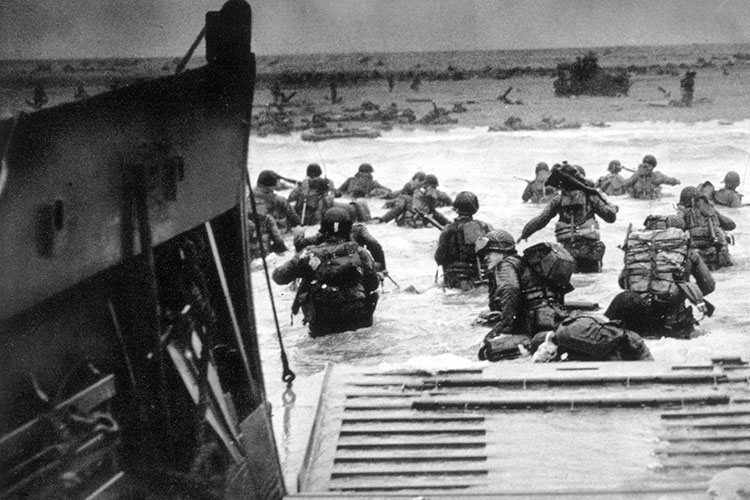
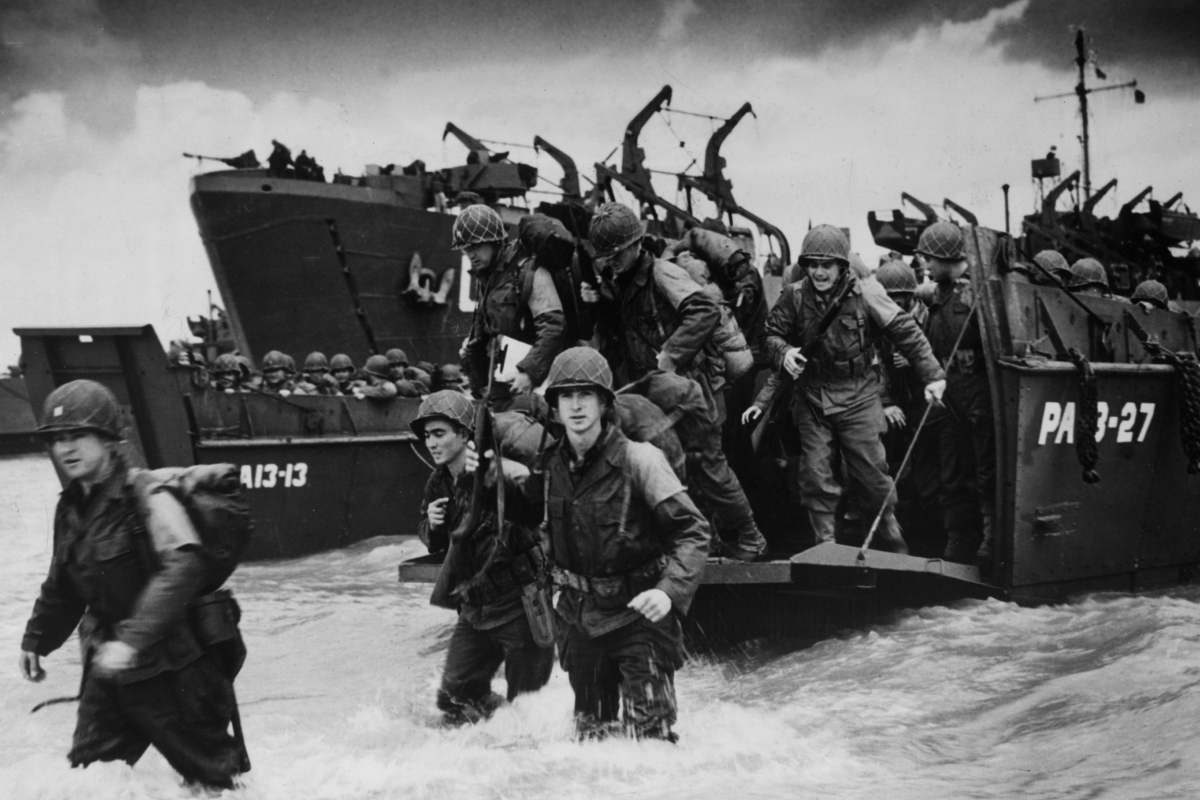
The original anti-fascist movement prepares to disrupt a large Nazi gathering.
In an interview with Piers Morgan that aired on June 4, two days before the 75th anniversary of the D-Day invasion of Normandy, in France, Donald Trump was asked if he wished he had served in Vietnam. His response: “Well, I was never a fan of that war, I’ll be honest with you. I thought it was a terrible war. I thought it was very far away. At that time, nobody had ever heard of the country.”
I wasn’t a big fan of the war in Vietnam either, but I enlisted in the U.S. Navy in the Spring of ’66, just as things were beginning to heat up again. I failed my physical, as I was born with club feet, which required surgery to correct my left foot when I was five years old. The doctors saw the four large incision scars on my foot, ankle and shin, and nixed my service.
I argued that sailors don’t do a lot of marching and I should be able to make it. They let me in. When I arrived at the United States Naval Training Center in San Diego, I immediately suspected I had made a mistake. As the bus I was on drove into the camp, I could see numerous company’s of men marching on the largest blacktop (we called it a grinder) I’d ever seen. As it turned out, marching was one of the things we did a lot of . . . and it was hell on my arthritic ankle and my shortened Achilles tendon.
There was on thing, one punishment that was meted out to us that sealed my participation and my eventual discharge. During graduation ceremonies, we would be required to bend our left leg at the knee so we could rest our rifles against the inside of our thighs (so the rifles wouldn’t clatter to the ground) while we screwed our white hats onto our heads in preparation for demonstrating some physical exercises with those rifles.
When our Company Commander thought we needed some admonishment or straightening out, he would make us stand in that position for up to a half hour. It required me to bend my left ankle in a way it just wasn’t capable of doing, as I have a shortened Achilles tendon. Needless to say, it was becoming quite painful after a while. All the marching wasn’t exactly helping either.
I decided to go to sick bay, where they x-rayed my left ankle and, after reading the film and seeing I had arthritis in my ankle, I was offered an honorable discharge. I declined. When I went back to my company, to a man they all told me I was an idiot and that I should take the discharge. Two days later, I decided they were correct and by early July I was a civilian, with a DD214 that said I served 1 month and 23 days. It also said I had been awarded the National Defense Service Medal.
I don’t think of myself as a veteran. I have never attempted to get veteran’s benefits, making a conscious choice after my discharge to not use benefits that others needed far more than I did. I know I wasn’t officially in long enough to quality, but I believe I could have made the case they should never have let me in and the hours and hours of marching and painful standing at “five-and-dive” exacerbated my medical issues . . . but I chose not to try.
After I was discharged, I became more and more opposed to the war and, by 1968 I was involved in the anti-war movement. I also joined a group of leftists, including a bunch of lawyers from an organization called Bar Sinister, in a Hapkido class. I could do most everything, but kicks that involved using the heel of my left foot were problematic and I almost broke it sparring one time.
We eventually morphed into a security team, doing everything from protecting demonstrators to armed security work for people like Jane Fonda, Roger McAfee, Hortensi Bussi Allende, and Vietnamese students in the U.S., among many others. I believed then, and I believe now, I was serving my country by opposing a cruel, illegal, and unjust war; a war that was killing my friends, one of whom it was my solemn duty to serve as a pall bearer for not too long after graduating High School.
I’m proud of what I did, though I frequently have wished I had tried a little harder to stay in the Navy. I do believe my work in the anti-war movement was important and valuable. Nobody paid us, and hardly anybody ever thanked us, but we prevented a lot of bad shit from happening . . . and helped, in many small ways, to end the war in Vietnam.
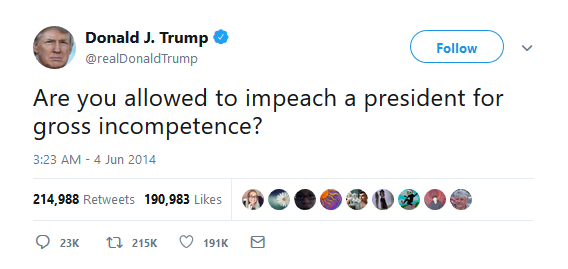
I just came across this tweet from Teh Donald™, which I’m quite sure is part of the collection of tweets where he has previously said something about someone else (usually Obama) that is actually applicable to his presidency. Donald John Trump has severely wounded irony and satire. It remains to be seen if we’ll ever recover a normal, decent sense of humor.
I’m also (not sure this is the right word) “pleased” to see this very special one was originally born on my 67th birthday and will now follow me all the days of my life . . . which are far fewer than they were even then.
A friend of mine on Facebook shared the following quote by Bertrand Russell, which was sent to Sir Oswald Mosely in response to a request by Mosely to debate the merits of fascism.
There is no doubt in my mind the Trump administration, and the bulk of the Republican Party that’s currently enabling him, are fascists. They have every intent of restricting our freedoms and keeping us in relative poverty and misery, all so a few may get wealthy at our expense. We must not allow this to happen. We must not give away those precious rights and freedoms we’ve won, and that so many have suffered to gain.
The original anti-fascist movement prepares to disrupt a large Nazi gathering
Dear Sir Oswald,
Thank you for your letter and for your enclosures. I have given some thought to our recent correspondence. It is always difficult to decide on how to respond to people whose ethos is so alien and, in fact, repellent to one’s own. It is not that I take exception to the general points made by you but that every ounce of my energy has been devoted to an active opposition to cruel bigotry, compulsive violence, and the sadistic persecution which has characterised the philosophy and practice of fascism.
I feel obliged to say that the emotional universes we inhabit are so distinct, and in deepest ways opposed, that nothing fruitful or sincere could ever emerge from association between us.
I should like you to understand the intensity of this conviction on my part. It is not out of any attempt to be rude that I say this but because of all that I value in human experience and human achievement.
Kind of interesting to be spending part of my birthday waiting for my younger daughter to get out of school. I hadn’t quite put my foot on what always feels just a bit strange every time I’m here.
It finally hit me. It’s the knowledge I’m at least 54 years older than the oldest kids here. I’d venture to say the vast majority of parents here are no more than 30 years older than their kids. I mostly don’t feel like an outlier, but I am.
I’m also processing the reality that Alyssa had far more challenges than Aimee, who also has three friends who’ve known each other since kindergarten or the first grade, and whose families we have spent a lot of time with over the years. Alyssa doesn’t have any friends like that, which troubles me deeply.
I guess I’m living in interesting times. All I have to do is stay healthy and productive for about another eight to ten years. Slice pie!
In September of 2002, nearly four months after my 55th birthday, I became a father for the first time in my life. I was in China with Linda, who would later take me as her husband, to adopt our Aimee. Actually, since we weren’t married she had to adopt as a single mother and I was sort of along for the ride, though I was all in.
As part of the process, I had joined a Yahoo chat group especially for parents and prospective parents adopting in China. I also joined a group led by internationally adopted adults who were willing to share their experiences, as well as their admonishments.
I was very active for a while and what follows is one of my posts (from October of 2005) that is still being shared every month with prospective parents of Chinese children being adopted by people in the U.S.:
************
Gosh, Gordon. You ask such simple questions. My heart truly aches (along with my head) contemplating what our children will eventually deal with as they grow older and their ability to understand matures and develops.
I agree with you, in that we can’t possibly settle the abandonment issue for them. As you say, they own it and we, at best, are innocent bystanders. (I won’t even discuss on this list what “at worst” might be for fear of provoking a firestorm of protest.) What I think we can do is respect them enough to let them take the lead, by becoming loving, attentive listeners. As they gather experiences and come to realizations about the meaning of their lives, we need to be there for them; nonjudgmental, understanding, and supportive. It doesn’t hurt to read about the experiences of adult adoptees (from their own mouths – or fingers) and their parents.
Even then, we have no guarantee they will be able to answer their own questions, or resolve the issues (real or perceived) they will deal with. As you know, I have been following the discussions on IAT for some time now. It has changed how I view my role as an adoptive parent and, at times, I find myself somewhat uncomfortable with it. I consider the discomfort part of my growing process for, as you also know, it isn’t stopping Linda and I from returning to adopt another child.
I know you and Patti well enough to believe you will give it everything you’ve got (and maybe a little more) to do right by your children. If you haven’t already, you might want to read Cheri Register’s book “Beyond Good Intentions: a Mother Reflects on Raising Internationally Adopted Children.” I hope others will contribute to this thread. I think it’s important to understand these issues as early as possible, preferable before one travels to China.


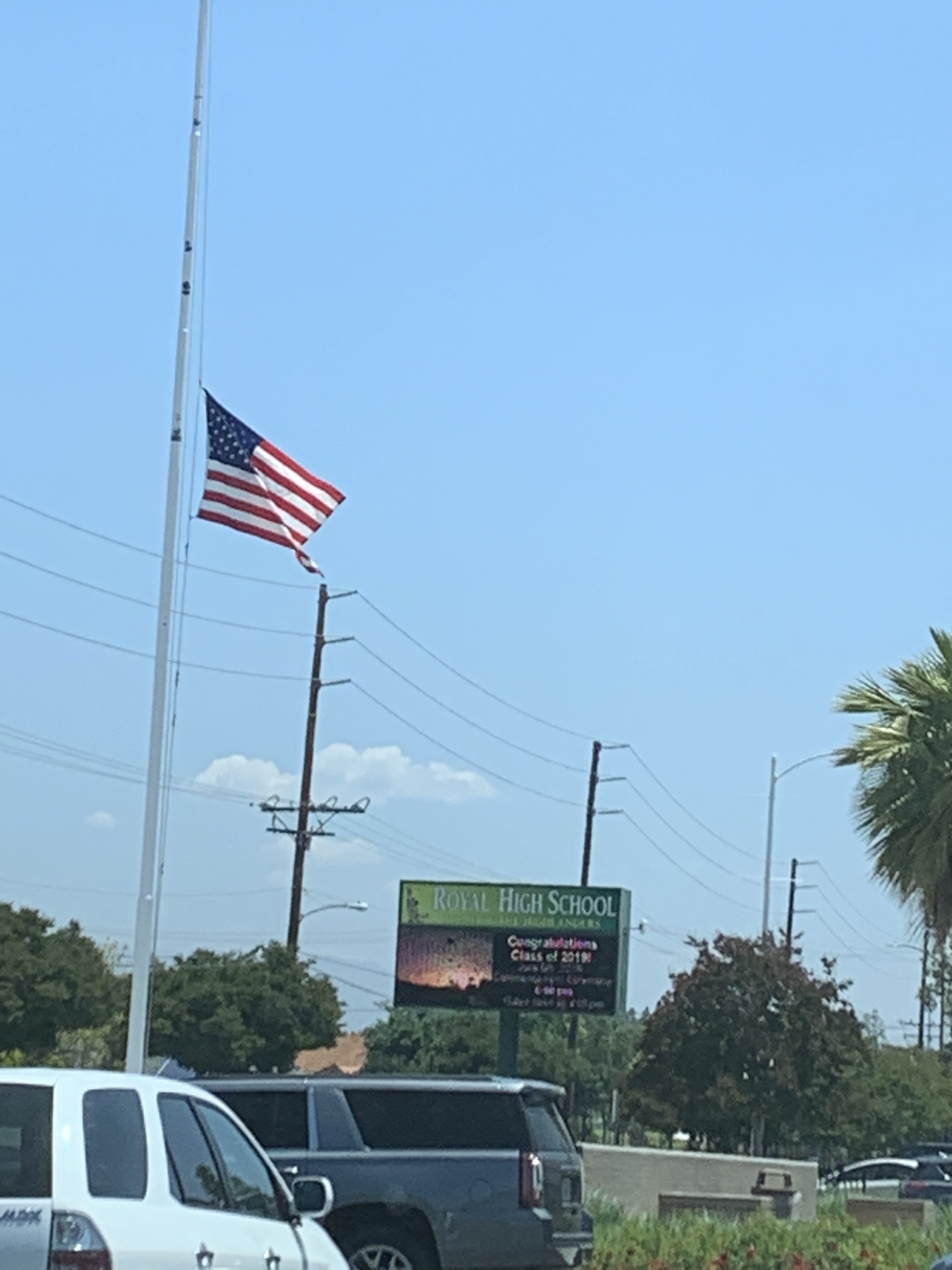 Kind of interesting to be spending part of my birthday waiting for my younger daughter to get out of school. I hadn’t quite put my foot on what always feels just a bit strange every time I’m here.
 In September of 2002, nearly four months after my 55th birthday, I became a father for the first time in my life. I was in China with Linda, who would later take me as her husband, to adopt our Aimee. Actually, since we weren’t married she had to adopt as a single mother and I was sort of along for the ride, though I was all in.
 Systems Savvy